
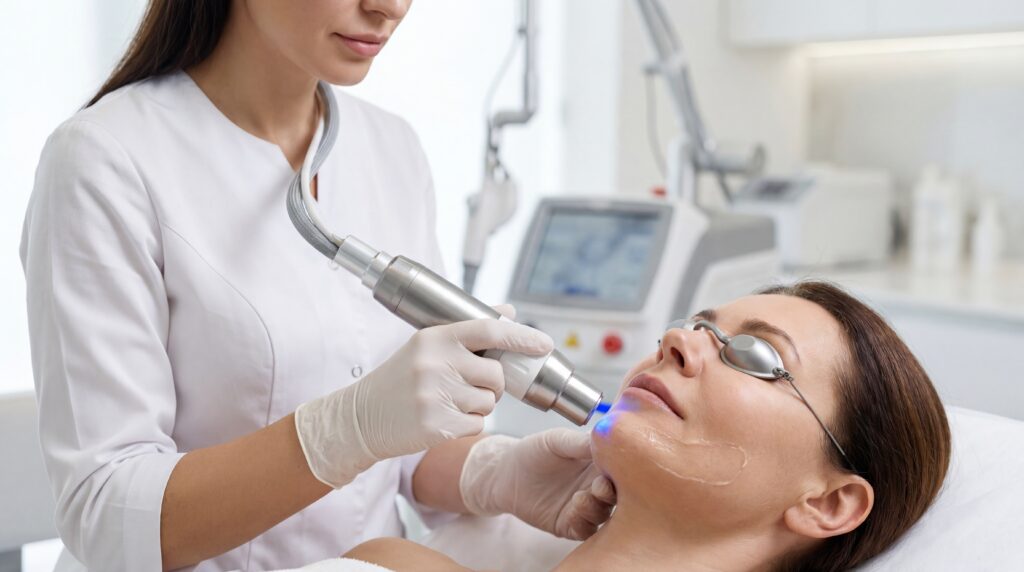
If you’re comparing Morpheus8 and laser treatments, you’re probably trying to solve a very specific problem: you want better skin without jumping straight to surgery. At Barr, that conversation often starts with one simple question—what do you want to improve first: skin tightening, texture, pigmentation, or sun damage?
The answer matters because Morpheus8 and lasers work in very different ways. Both can help refresh the skin, but they are not interchangeable. Understanding how each treatment works can make your consultation more productive and help you choose a plan that fits your goals, downtime tolerance, and skin concerns.
Why These Treatments Get Compared So Often
Morpheus8 and laser procedures are often mentioned together because both aim to improve visible signs of aging and skin damage. They can each help with fine lines, rough texture, and a tired-looking complexion. But they target different layers of the skin and solve different problems most efficiently.
That difference is exactly why the right choice isn’t about which treatment is “better.” It’s about which one is better for your skin. Barr emphasizes individualized planning because two people with similar goals may still need very different approaches based on skin tone, laxity, sensitivity, and the kind of correction they want.
What Morpheus8 Is Designed To Do
Morpheus8 is a non-ablative microneedling treatment that delivers radiofrequency energy into deeper layers of the skin. The combination of tiny needles and heat encourages collagen stimulation and remodeling beneath the surface.
That makes it especially useful when the goal is non surgical skin tightening. It can help soften the look of loose skin, improve fine lines, refine texture, and reduce the appearance of acne scars or enlarged pores. Because it works below the surface and preserves the top layer of skin, it’s often appealing to people who want noticeable improvement without the more aggressive recovery of resurfacing procedures.
What Laser Treatments Are Best Known For
Laser treatments use light energy rather than microneedles and radiofrequency. Depending on the device, lasers may focus on pigment, redness, texture, or surface renewal. Some lasers are better for sun damage and discoloration, while others are used to smooth wrinkles or resurface rough skin.
This is why “laser treatment” is a broad category, not one single option. A laser designed for pigmentation won’t behave the same way as one built for resurfacing. At Barr, that distinction matters because the best treatment depends on whether the main concern is color, texture, or deeper structural laxity.
How Morpheus8 and Lasers Work Differently on the Skin
The biggest difference between these treatments is how they deliver energy and what layer of skin they are trying to influence. Morpheus8 uses radiofrequency through microneedles to reach subdermal tissue. Lasers use focused light energy to target specific skin components, often in a more surface-oriented or pigment-focused way.
That difference affects everything from the type of improvement you can expect to the amount of downtime you may need. It also affects who is a good candidate, especially when skin tone and sensitivity are part of the decision.
Collagen Remodeling Versus Surface Resurfacing
Morpheus8 is built around collagen remodeling. It creates controlled micro-injury and heat in deeper tissues so the body can rebuild firmer, smoother skin over time. The goal is gradual renewal.
Laser treatment may also stimulate collagen, but many laser systems are more focused on resurfacing the surface of the skin or improving visible pigment irregularities. In other words, Morpheus8 is usually the stronger conversation when the priority is tightening and structural support, while lasers often shine when discoloration or sun damage are the main concerns.
Downtime and Recovery Expectations
Recovery is another major difference. Because Morpheus8 is non-ablative, it doesn’t remove the top layer of skin in the way more aggressive resurfacing treatments can. That usually means a more manageable recovery period, although redness, swelling, and a short healing window are still normal.
Laser downtime varies widely. A lighter laser may involve only a few days of redness, while a more intense resurfacing treatment may require longer healing and more visible peeling or flaking. Barr helps patients understand this tradeoff before treatment so there are no surprises when scheduling work, social events, or travel.
Which Concerns Each Treatment Usually Addresses Best
The best way to compare Morpheus8 and lasers is to look at the concern you want to improve. Some issues respond better to deep collagen support, while others respond better to light-based correction of pigment or surface damage.
For readers comparing options, this is the simplest place to start:
- Loose skin or early jowling often points toward Morpheus8.
- Fine lines and texture can improve with either option, depending on the cause.
- Acne scars and enlarged pores often respond well to Morpheus8.
- Pigmentation, freckles, and sun damage are often stronger laser territory.
- Redness or uneven color may also be better addressed with a targeted laser.
- Heavier skin laxity may still require a surgical discussion rather than a device-based treatment.
For many patients at Barr, the real question isn’t “Which device is better?” It’s “Which problem am I trying to solve first?”
When Morpheus8 Makes the Most Sense
Morpheus8 is often a strong choice when the main concern is laxity, early sagging, or skin that has started to look less firm. It’s also a helpful option for people who want a more subtle, gradual improvement rather than a dramatic surface peel.
It can be a smart fit if you want to:
- Tighten mild to moderate loose skin
- Soften the appearance of fine lines and wrinkles
- Improve acne scars or stretch marks
- Refine pores and skin texture
- Pursue non surgical skin tightening with minimal surface disruption
Barr offers Morpheus8 treatment options for patients who want this kind of deeper collagen-focused improvement with a customized plan.
When Laser Treatments Often Win Out
Lasers tend to be more appealing when the main issue is tone rather than tightness. If you are bothered by brown spots, sun damage, uneven pigmentation, or visible photoaging, a laser may be the more direct path to improvement.
This is especially true when the concern sits near the skin’s surface. A patient with stubborn discoloration from years of sun exposure may not need the same treatment as someone whose skin simply feels less firm. That’s why Barr approaches laser planning as a precision choice, not a one-size-fits-all solution.
How to Choose the Right Option for Your Skin Goals
Choosing between Morpheus8 and a laser is easier when you think about the kind of change you want to see. Do you want skin that feels firmer? Or do you want a skin tone that looks brighter and more even? In many cases, the ideal answer may involve a sequence of treatments rather than just one device.
A personalized consultation is valuable because skin rarely has a single issue. Someone may have both laxity and sun damage. Another patient may have acne scars, enlarged pores, and early lines. Barr can help prioritize the concern that will make the biggest visual difference first, then map out whether a single treatment or a combined plan is more effective.
Why Skin Tone, Texture, and Laxity All Matter
Skin tone can influence which energy-based treatments are most suitable, especially when pigment risk is part of the discussion. Texture changes may point toward a different device than redness or brown spots. Laxity points toward yet another category of treatment.
That’s why a consultation shouldn’t begin with “What’s the newest device?” It should begin with “What is actually bothering you most?” At Barr, that question shapes everything from treatment selection to the expected timeline for results.
When a Combined Plan May Be Smarter
Sometimes the best outcome comes from combining treatments over time. A patient might use Morpheus8 to support deeper tightening and later use a laser to address sun damage or pigmentation. In other cases, the order may be reversed depending on the skin’s condition and the patient’s goals.
A combined plan can be especially useful when the face has both structural and surface concerns. Morpheus8 can help rebuild support, while a laser can help even tone and improve the look of photodamage. The point is not to do more just because more is available. The point is to do what makes sense for the skin in front of you.
The Smartest Choice Starts With a Personalized Plan
Morpheus8 and laser treatments are both valuable tools, but they solve different problems. Morpheus8 is often the better fit for deeper collagen stimulation and non surgical skin tightening, while lasers are often stronger for pigmentation, sun damage, and surface renewal. For many patients, the right answer depends on how much of the concern is about firmness versus color and texture.
That’s why Barr encourages a consultation before committing to a treatment plan. The goal isn’t to choose the trendiest option. It’s to choose the option that fits your skin, your recovery expectations, and your long-term goals. For patients who want natural-looking improvement with a thoughtful approach, Barr can help guide the decision with clarity and care.